
"foreign coffee beans"
9000 article(s) found

Introduction to the characteristics of flavor and taste of Ethiopian coffee manor with acidity and texture
Ethiopia's coffee grading and quality control system has two main indicators: visual inspection and cup evaluation, including the color, cleanliness, origin, taste and characteristics of coffee beans. The export rating is marked by simple numbers, with the best washed coffee at level 5 and the best sun-cured coffee at level 4. After grading, mark the place of origin and then export. Usually the export is paid by letter of credit.

Flavor description of Sidamo Lion King Coffee Bean introduction of varieties produced in manor by taste treatment
Flavor description of Sidamo Lion King Coffee beans Coffee is the most important export cash crop and the main source of foreign exchange income in Ethiopia. Ethiopia's coffee exports account for about 3% of the world market, making it the eighth largest coffee exporter in the world. Coffee exports increased steadily from 58000 tons in 1990 to 1995-1996.

Acidity and texture of Sidamo Coffee Bean Flavor taste the characteristics of the manor producing area introduce Sidamo Shakiso
Coffee is Ethiopia's most important export cash crop and the main source of Ethiopia's foreign exchange earnings. Ethiopia's coffee exports account for about 3% of the world market, making it the eighth largest coffee exporter in the world. Coffee exports increased steadily from 58000 tons in 1990 to 110000 tons in 1995-1996 and remained at this level in the following years. 2001-2002

Introduction to the characteristics of the taste manor of Costa Rican boutique coffee
Costa Rica's economy, mainly tourism, agriculture and exports of electronic components, has grown rapidly since the recession in 1997. Costa Rica is located in the strip of Central America and in the center of the Americas. It has direct access to Eurasia and has easy access to the American market.
The spread and Development of Coffee in China-where did Cafe first come from
The spread and development of coffee in China-where did the coffee shop first originate? in terms of natural conditions, many parts of China are very close to Latin America, South America, India, Indonesia and other places, with congenital conditions for coffee cultivation. However, Chinese people have been drinking tea for thousands of years. As the origin of tea in the world, people are interested in coffee in terms of consumption habits and concepts.

Foreign media revealed that Luckin Coffee sought a loan of 200 million US dollars before IPO was denied by Luckin Coffee: no comment
Professional coffee knowledge exchange more coffee bean information please follow the coffee workshop (Wechat official account cafe_style) Beijing time on the evening of March 12. Reuters today quoted several people familiar with the matter as saying that Luckin Coffee is seeking at least 200 million US dollars in loans from investment banks such as Goldman Sachs and Morgan Stanley. The deal is likely to make these investment banks the IPO of Luckin Coffee to the United States.

Big international coffee traders "occupy" Yunnan coffee
Pu'er in Yunnan Province, China's largest Pu'er tea-producing region, has attracted foreign trade in recent years for coffee beans. As the production of Brazilian coffee beans is reduced, these foreign traders come more frequently and begin to seek more in-depth cooperation with local enterprises. Volcafe, a well-known multinational coffee trader, is one of them. Recently, Simao, Yunnan

Flavor description of Ethiopian Honey Kiss Coffee beans introduction of varieties produced by grinding scale
Flavor description of Ethiopian Honey Kiss Coffee beans in Ethiopia the classification and quality control system of coffee is divided into three levels: producer, regional and national. All coffee is inspected by local inspection agencies before leaving the country of origin, and then re-inspected at the coffee inspection and grading centers in Addis and Diredawa to determine its quality.
Do you still believe that coffee causes cancer? Listen to what foreign experts say--
Professional coffee knowledge exchange more coffee bean information please follow the coffee workshop (Wechat official account cafe_style) A judge in California ruled that Starbucks and other merchants should mark their products: contain acrylamide. This is a chemical that may cause cancer. German media quoted experts as saying that the European Union has regulations on acrylamide content, and German coffee manufacturers generally comply with the regulations.

Introduction to the flavor of Ethiopian coffee
Coffee is Ethiopia's most important export cash crop and the main source of Ethiopia's foreign exchange earnings. Ethiopia's coffee exports account for about 3% of the world market, making it the eighth largest coffee exporter in the world. Coffee exports increased steadily from 58000 tons in 1990 to 110000 tons in 1995-1996 and remained at this level in the following years. 2001-2002
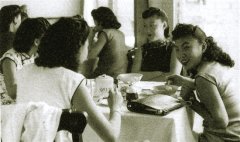
The first cafe in China appeared in Guangzhou. Lu Xun doesn't really like coffee.
Communication of professional baristas Please follow the girls of the Republic of China who drink coffee in the coffee workshop (Wechat official account cafe_style) A silver coffee pot made for export in China at the end of the Qing Dynasty. The coffee mugs of the last years of the Republic of China are printed with the head of the Queen of England and the advertising of canned coffee during the period of the Republic of China. Today, let's talk about coffee, a petty-bourgeois drink popular all over the world. There are not many drinks popular all over the world.

Chinese people often go to convenience stores to sell coffee, and foreign countries report that the pace of domestic coffee craze is accelerating.
Professional coffee knowledge exchange more coffee bean information please follow the coffee workshop (Wechat official account cafe_style) China's coffee boom has accelerated the consumption growth rate of 25% last year. According to Mintel, China's internal coffee market was worth 64.7 billion yuan ($9.6 billion) last year, up 7.5% from a year earlier, when the growth rate was 6%. Expected

Characteristics of grinding degree of Ethiopian coffee introduction of high-quality coffee beans
Coffee is Ethiopia's most important export cash crop and the main source of Ethiopia's foreign exchange earnings. Ethiopia's coffee exports account for about 3% of the world market, making it the eighth largest coffee exporter in the world. Coffee exports increased steadily from 58000 tons in 1990 to 110000 tons in 1995-1996 and remained at this level in the following years. 2001-2002

Ethiopia, the largest producer of coffee in Africa.
Coffee grading and quality control system in Ethiopia, coffee grading and quality control system is divided into three levels: producer, regional and national. All coffee is inspected by local inspection agencies before leaving the country of origin, and then re-tested at the coffee inspection and grading centers in Addis and Diredawa to determine its quality grade. Coffee is graded before auction and sale
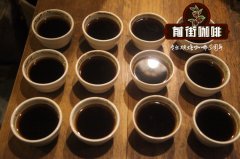
What is the COE Excellence Cup? How to participate in the COE Coffee Cup Test
Professional coffee knowledge exchange more coffee bean information please follow the coffee workshop (Wechat official account cafe_style) Cup Of Excellent (referred to as COE), similar to Taiwan tea or French wine competition, is an annual coffee competition held in many coffee-producing countries to identify high-quality coffee, organized by the Coffee Excellence Alliance (Alliance for)

Introduction to the taste and flavor of Ethiopian coffee
In Ethiopia, the grading and quality control system of coffee is divided into three levels: producer, regional and national. All coffee is inspected by local inspection agencies before leaving the country of origin, and then re-tested at the coffee inspection and grading centers in Addis and Diredawa to determine its quality grade. Coffee is graded before auction and sale, for all involved in production, acquisition,
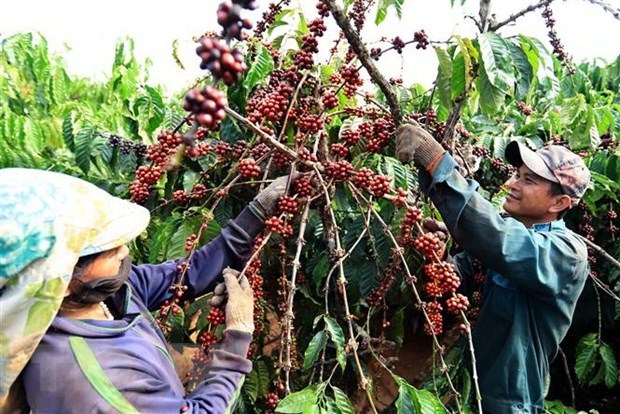
The present situation of coffee industry in Vietnam: the output of coffee in Vietnam is high but the price is low, which is due to the quality.
Professional coffee knowledge exchange more coffee bean information Please pay attention to coffee workshop (Wechat official account cafe_style) Vietnam is the second largest coffee producer in the world, but the value of coffee is not high. According to the Vietnam News Agency, Vietnam exports 1.5 million tons of coffee every year, but the coffee exported is mainly coffee beans, accounting for 90%. There are few high value-added coffee products.

Ethiopian boutique coffee Ethiopia boutique coffee flavor Ethiopian boutique coffee
Coffee is Ethiopia's most important export cash crop and the main source of Ethiopia's foreign exchange earnings. Ethiopia's coffee exports account for about 3% of the world market, making it the eighth largest coffee exporter in the world. Coffee exports increased steadily from 58000 tons in 1990-91 to 110000 tons in 1995-96 and remained at this level in the following years. 2001-2002

The flavor of Ethiopian coffee with the aroma of dried fruit. Introduction to the characteristics of fine coffee beans in the manor area.
Coffee is Ethiopia's most important export cash crop and the main source of Ethiopia's foreign exchange earnings. Ethiopia's coffee exports account for about 3% of the world market, making it the eighth largest coffee exporter in the world. Coffee exports increased steadily from 58000 tons in 1990 to 110000 tons in 1995-1996 and remained at this level in the following years. 2001-2002

Chinese people drink coffee China Coffee Network Coffee introduced into China Coffee Trading Network
Coffee was introduced into China from the perspective of language, the Kangxi Dictionary has neither the word caf é, nor the word coffee, let alone the word coffee, which shows that the Chinese people in the early Qing Dynasty were not exposed to coffee. Whether there is any coffee (beverage) in China in the middle of the Qing Dynasty is still under search. The author carefully examines several characters from the middle to the end of the Qing Dynasty in the Integration of colloquial dictionaries of the Ming and Qing dynasties published by Shanghai Ancient Books Publishing House in 1989.